Last updated: April 12, 2026. Auto repair grants for low-income families are usually local, not one big national program. The fastest path is to search for emergency transportation help in your ZIP code, then ask the right agencies for the exact type of repair support you need: car repair assistance, gas vouchers, bus passes, work-related transportation help, or a referral to a nonprofit vehicle program.
If your car repair is connected to work, job training, medical care, child care, school, disability needs, or keeping housing stable, say that clearly. Programs are more likely to help when the repair solves a specific crisis, such as keeping a job or getting to medical appointments.
Quick Answer: Where Can Low-Income Families Get Car Repair Help?
Start with 211, your county human services office, local community action agency, Salvation Army office, churches, workforce center, and nonprofit car programs. Some help may be direct repair money, but many programs offer referrals, one-time emergency help, gas cards, bus passes, or help with inspections and smog-related repairs.
| Best place to check | What to ask for | Best for |
|---|---|---|
| 211 | “Auto repair assistance” and “transportation expense assistance” | Finding local nonprofit, church, and county programs |
| County DHS/DSS/MDHHS office | “Work-related transportation help” or “car repair help” | Families with benefits, TANF/work requirements, or an open case |
| Salvation Army or local charities | “Emergency car repair help, gas cards, or transit passes” | One-time crisis support and referrals |
| Community action agency | “Transportation support for employment or crisis stabilization” | Local low-income assistance and case management |
| State emissions repair programs | “Smog or emissions repair assistance” | States with official clean-air or inspection repair programs |
Step 1: Call 211 and Use These Exact Search Terms
211 is often the best first call because it can search local resources by ZIP code. Some 211 directories include transportation categories such as gas vouchers, public transportation passes, automotive repair and maintenance, non-emergency medical transportation, and disability-related transportation.
Use this short script:
Hello, I need help finding car repair assistance in ZIP code ____. My car needs ____ repaired, and the repair is affecting my ability to ____. Can you search for auto repair assistance, transportation expense assistance, gas vouchers, bus passes, work transportation help, and nonprofit car repair programs near me?
Official starting point: 211.org. Some regional 211 databases, such as 211info transportation resources and 211 Orange County transportation resources, list categories that can include automotive repair, gas money, and public transportation passes.
Step 2: Ask DHS, DSS, or Your Caseworker the Right Way
Search Console shows many people ask whether DHS helps with car repairs. The answer depends on your state, county, benefits, work plan, and available funds. Do not ask only “Do you fix cars?” Ask whether transportation support is available because the repair is tied to employment, training, medical care, child care, or a case-plan requirement.
If you have a caseworker, use this wording:
My vehicle repair is preventing me from meeting my work, training, medical, or child care obligation. Does my case qualify for any transportation support, car repair assistance, gas card, bus pass, emergency assistance, or partner referral?
Related internal guides: DHS car voucher program, Michigan DHS car voucher program, and DSS vehicle purchase program explained.
Step 3: Check Salvation Army and Local Charities
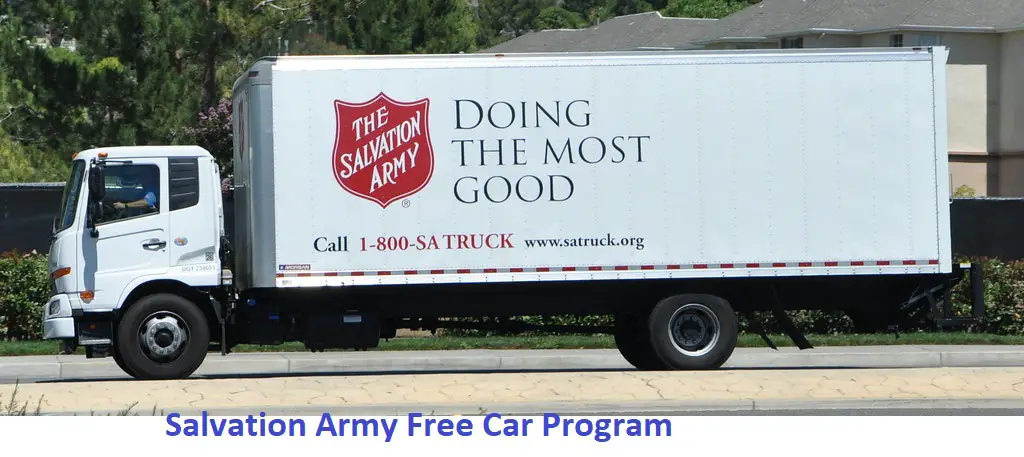
The Salvation Army does not run one single national car repair program that works the same everywhere. Local offices may offer emergency assistance, transportation referrals, gas cards, or help through case management when funding is available. Call first and ask what is open in your ZIP code.
Use our detailed guide here: Salvation Army transportation and car repair help.
Step 4: Look for State Emissions or Smog Repair Programs
Some official programs are not called “low-income auto repair grants,” but they can still help with certain repairs. California’s Bureau of Automotive Repair, for example, runs a Consumer Assistance Program for eligible emissions-related repair assistance and vehicle retirement options. These programs usually have strict eligibility rules and are not available in every state.
Official example: California BAR Consumer Assistance Program.
Step 5: Prepare a Repair Packet Before You Apply
A strong request is specific. Instead of saying “I need money for my car,” prepare a small packet that shows the repair, the cost, and why it matters.
- Photo ID and proof of address
- Proof of income or benefit letter
- Vehicle registration and insurance
- Driver’s license status
- Written repair estimate from a mechanic
- Work schedule, job offer, training schedule, school schedule, or medical appointment proof
- A short note explaining what will happen if the repair is not completed
How to Prioritize Repairs When Money Is Limited
If you cannot cover the full repair, ask the mechanic to separate safety-critical repairs from optional repairs. Assistance programs may be more likely to consider repairs that affect safe operation, emissions compliance, or ability to get to work.
| Repair type | Why it matters | What to ask the mechanic |
|---|---|---|
| Brakes, tires, steering, lights | Safety and legal driving | “Which repair is required to make the car safe?” |
| Battery, alternator, starter | Car will not reliably start | “Can you provide a written estimate with parts and labor separated?” |
| Emissions or smog failure | May block registration renewal in some states | “Is this repair eligible for any state emissions assistance program?” |
| Air conditioning, cosmetic issues | May be lower priority unless medical/safety need exists | “Is this optional, or does it affect safety or medical needs?” |
Other Transportation Options if Repair Help Is Not Available
If no one can pay for the repair immediately, ask for a bridge option. You may still be able to get to work or appointments while you keep searching for repair help.
- Gas card or fuel voucher
- Bus pass or transit voucher
- Ride-share voucher through a local nonprofit or 211 partner
- Non-emergency medical transportation if you qualify through Medicaid or a health plan
- Workforce center transportation help for interviews, training, or a new job
- Donated-car or low-interest auto loan nonprofit through Working Cars for Working Families
Common Questions
Are there federal auto repair grants for low-income families?
There is no simple national application that guarantees car repair money for everyone. Most real help is local, state-based, or tied to a specific need such as employment, benefits compliance, medical transportation, disability access, or emissions repair.
Does DHS help with car repairs?
Sometimes, but it depends on your state and case. Ask your caseworker about transportation support, work-related expenses, emergency assistance, car repair help, and referrals. Bring a written repair estimate and proof that the car is needed for work, training, medical care, or family stability.
Does the Salvation Army help with car repairs?
Some local offices may help with transportation needs or referrals when funding is available. Call your local Salvation Army office and ask specifically about car repair assistance, gas cards, bus passes, and emergency transportation help.
Can I get help if the car is not in my name?
It may be harder. Many programs want proof of ownership, registration, and insurance. If the car belongs to a household member, ask the program whether they accept that situation and what documents are needed.
Bottom Line
The best way to find auto repair grants for low-income families is to treat it like a local emergency transportation search. Call 211, contact your DHS/DSS caseworker, ask local charities, check state emissions repair programs, and prepare a repair packet that proves the car is needed for work, medical care, school, child care, or family stability.