Last updated: April 18, 2026
If you are trying to get car assistance, repair help, a transportation grant, or a county voucher-style program, the fastest way to improve your chances is simple: have your paperwork ready before you call.
Many people get told “call this office” or “apply here,” but then lose days because they do not have proof of address, income, work need, or a repair estimate. This guide turns that problem into a checklist you can actually use.
Quick answer
Before you contact 211, DHS, MDHHS, Job and Family Services, a Community Action Agency, or a nonprofit car program, try to gather these first:
- Photo ID
- Proof of current address
- Proof of income, benefits, or hardship
- Driver’s license if the request involves driving
- Job, school, childcare, or medical proof showing why transportation matters
- Vehicle registration, insurance, and repair estimate if you already own the car
If you do not have every item yet, still call. But having most of them ready usually gets you a clearer answer faster.
Why this checklist matters
Programs often deny, delay, or redirect people for one of three reasons:
- The transportation problem is not documented clearly
- The office cannot confirm income, residency, or household situation
- The repair or vehicle request does not include the supporting paperwork they need
That is why this page is not just a list of documents. It is a decision-ready packet you can build before contacting a caseworker, county office, church, or repair-assistance program.
Main document packet
| Document | Why programs ask for it |
|---|---|
| Photo ID | Confirms identity and helps match your case file. |
| Proof of address | Shows county or state residency for local programs. |
| Proof of income or benefits | Most programs are needs-based and require income review. |
| Driver’s license | Often required if the help involves a car you will drive. |
| Work, school, childcare, or medical proof | Shows why transportation is urgent and necessary. |
| Vehicle registration and insurance | Needed if you already own the car involved in the request. |
| Repair estimate | Helps agencies understand the cost and whether repair help is realistic. |
Identity and address documents
Keep one government-issued photo ID ready. Many readers use a driver’s license, state ID, or another official photo card. You should also have proof of where you live now, especially if the program is county-based.
Common address proof examples include:
- Utility bill
- Lease or rent receipt
- Mail from a government agency
- Benefits letter showing your current address
Try to use documents that show the same current address. Address mismatches create avoidable delays.
Income and hardship proof
Most transportation and repair programs are based on low income, current hardship, or benefit status. Useful proof may include:
- Pay stubs
- SNAP, TANF, SSI, SSDI, Medicaid, or unemployment letters
- Bank statements if requested
- A shutoff notice, eviction notice, or similar hardship proof in some emergency programs
If your income recently changed, keep something that explains the change, such as reduced hours, job loss, or a recent offer letter.
Proof of transportation need
This is one of the most important parts of the packet. Programs often want to know why transportation help matters right now. Good examples include:
- Job offer letter
- Work schedule
- Employer note
- School or training schedule
- Childcare documents
- Medical appointment paperwork
The strongest packet shows what will happen if transportation is not fixed. For example: missed work, lost job opportunity, missed treatment, or inability to get children to required care.
If you already own the car
If your request is for repair help, add these items:
- Vehicle registration
- Current insurance proof
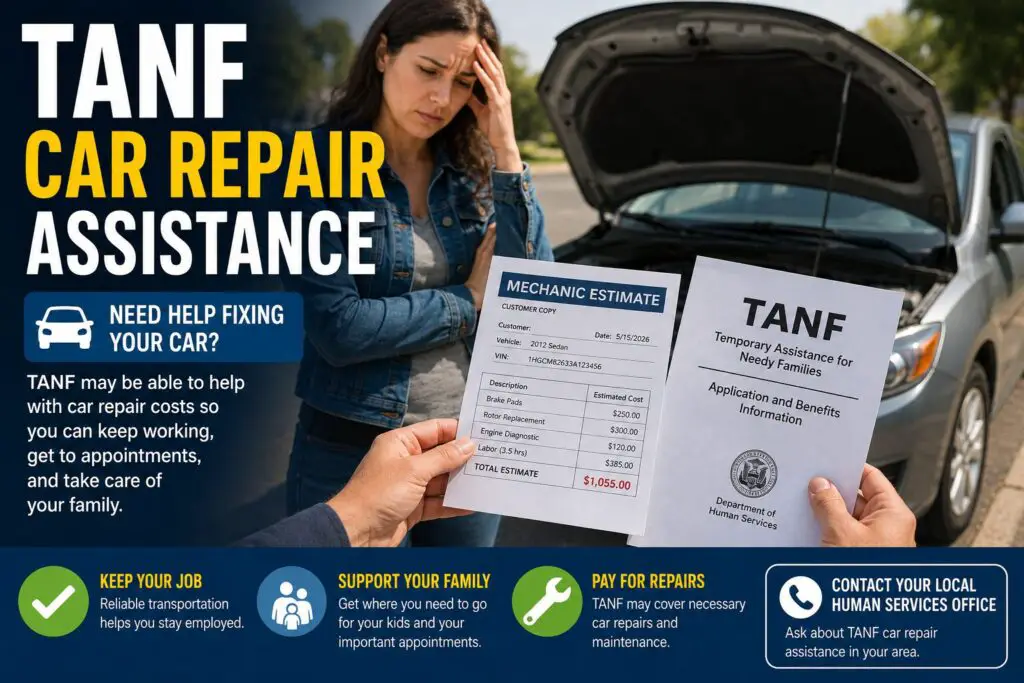
- Mechanic estimate
- Brief note describing why the car is unusable or unsafe
The repair estimate matters because many programs will not guess at the amount. They want to know whether the repair is realistic, urgent, and tied to keeping you mobile.
If you do not own a car yet
Some readers are looking for voucher-style help, a donated vehicle, or another path to getting transportation. In that case, your packet should focus less on repair paperwork and more on:
- Identity and address proof
- Income or benefits proof
- Proof that transportation is blocking work or another essential activity
- A short written explanation of why public transit is not enough
A short explanation you can keep ready
It helps to keep one simple statement saved on your phone or written on paper:
I need transportation help because getting to work, school, childcare, or medical appointments is currently blocked. I can provide proof of address, income, and the documents showing why transportation is urgent. If a direct car voucher is not available, I want to know whether there is repair help, a gas card, bus pass help, or a referral to another program.
Where to use this packet first
If you already know your state or situation, start with the most relevant guide below:
- Michigan DHS car voucher guide for MDHHS, MI Bridges, and work-related transportation barriers
- Ohio government car voucher help for PRC, county JFS, Community Action, and Ohio 211
- Pennsylvania welfare car voucher help for PA 211, County Assistance Offices, and local nonprofit help
- Texas car voucher help for 211 Texas, workforce support, and county-level referrals
- DHS car voucher guide if you are still trying to understand how these programs usually work
Other useful next-step guides
- Top government grants and transportation programs
- Auto repair grants and assistance
- Transportation help for domestic violence survivors
- Free cars for veterans
Official resources you may need next
- 211 to find local referrals
- MI Bridges for Michigan case access
- PA 211 for Pennsylvania referrals
- Ohio 211 for Ohio referrals
- 211 Texas for Texas referrals
Frequently asked questions
What if I do not have every document yet?
Call anyway, but try to have the main packet started. Most agencies can tell you which missing item matters most.
Do I need a repair estimate before I ask for repair help?
In many cases, yes. A written estimate usually makes the request much easier to process.
What if my transportation problem is urgent but I have no car?
Focus on identity, address, income, and proof of the urgent need. Then ask about donated vehicles, county support, gas help, bus passes, and nonprofit referrals.
Can this checklist help with county voucher programs too?
Yes. Even when a program is described as a voucher, most offices still want the same core documents before approving help.
Bottom line
The best way to avoid delays is to treat your paperwork like a ready-to-send packet. Build it once, keep photos or scans on your phone if possible, and use the state guides above to take the next real step instead of starting from scratch every time you call a new office.