
Last updated: April 17, 2026.
Important safety note: If you are in immediate danger, call 911. If it is safe to use your device, you can contact the National Domestic Violence Hotline for confidential support by phone, chat, or text. If using a phone or computer could put you at more risk, focus on your immediate safety first.
If you are searching for a free car for domestic violence victims, the most honest answer is this: there is not one nationwide public program that simply gives every survivor a free car. Real help is usually local and may come through domestic violence programs, victim-service agencies, 211, repair assistance, emergency transportation help, donated-vehicle leads, or crime-victim resource networks.
This guide is built around the real search intent behind this topic: how to get safe transportation fast, what kinds of car help are realistic, where to start first, and what to do if there is no direct donated-car program in your area.
Quick Answer
| If you need… | Best first step | What is most realistic |
|---|---|---|
| Immediate confidential support | National Domestic Violence Hotline | Safety planning, local shelter referrals, transportation-related local resources |
| Local emergency or practical help | 211 | Local referrals for shelter, transportation help, gas cards, charities, and emergency aid |
| Crime-victim referrals beyond one local agency | VictimConnect Resource Center | Confidential referrals, victim-rights information, and local service connections |
| A safer way to keep your current car | Auto repair grants guide | Repair help may be faster and more realistic than waiting for a donated vehicle |
| Legal or protection-order support | Hotline legal-help page | Connection to local legal resources rather than direct legal advice |
The Most Important Reality Check
Many people search this topic hoping there is a national program that says, “apply here for a free car if you are leaving abuse.” In most cases, that is not how help works.
For survivors, transportation help is more often provided in one of these forms:
- safe rides to shelter, court, work, or appointments
- gas cards, bus passes, or ride vouchers
- repair help for a vehicle you already own
- local donated-car leads through nonprofits or community agencies
- referrals through domestic violence advocates, victim-service programs, or crime-victim hotlines
That means the best strategy is usually not to search only for the exact phrase “free car.” The better strategy is to ask for transportation assistance, emergency transportation, repair help, victim services, and local safe-housing support.
Start Here First: The National Domestic Violence Hotline
The National Domestic Violence Hotline is one of the best first steps because it can help survivors think through safety and connect with local providers.
- Call 1-800-799-SAFE (7233)
- Text START to 88788
- Use live chat if it is safe to do so
The Hotline also warns that internet use can be monitored and offers a quick-exit feature on its website. That matters because finding transportation help is not only about a car. It is about getting help without increasing risk.
If you contact the Hotline, ask specifically whether local programs in your area help with:
- transportation to safe housing or shelter
- court transportation
- gas cards or bus passes
- car repair help
- victim compensation or other local victim-service resources
- donated vehicle programs or community partners
Use 211 for Local Practical Help
211 can be useful when you need local leads quickly. In many places, the most practical help is not listed under “free car for domestic violence victims.” It may appear under emergency assistance, transportation assistance, shelter services, or local charity support.
When you contact 211, ask for:
- domestic violence shelter transportation help
- emergency transportation assistance
- gas vouchers or transit help
- charity car repair help
- crime-victim services
- community action agencies
This broader wording often gets better results than asking only for a free vehicle.
VictimConnect Can Help With Referrals Too
The VictimConnect Resource Center is another strong option, especially if you need victim-service referrals and want a broader crime-victim support route.
- Call or text 1-855-4-VICTIM (855-484-2846)
- Use chat if you are physically safe to do so
VictimConnect explains that it provides emotional support, information, and individualized referrals. Its resource map also shows that some local providers list transportation assistance among survivor services.
What “Car Help” Usually Looks Like for Survivors
Transportation support for survivors usually falls into one of these buckets:
1. Emergency transportation
This may include rides to a shelter, courthouse, advocate office, police station, hospital, or safe meeting point.
2. Gas cards, bus passes, or ride vouchers
These are often easier to find than full vehicle donation programs and may solve the immediate problem faster.
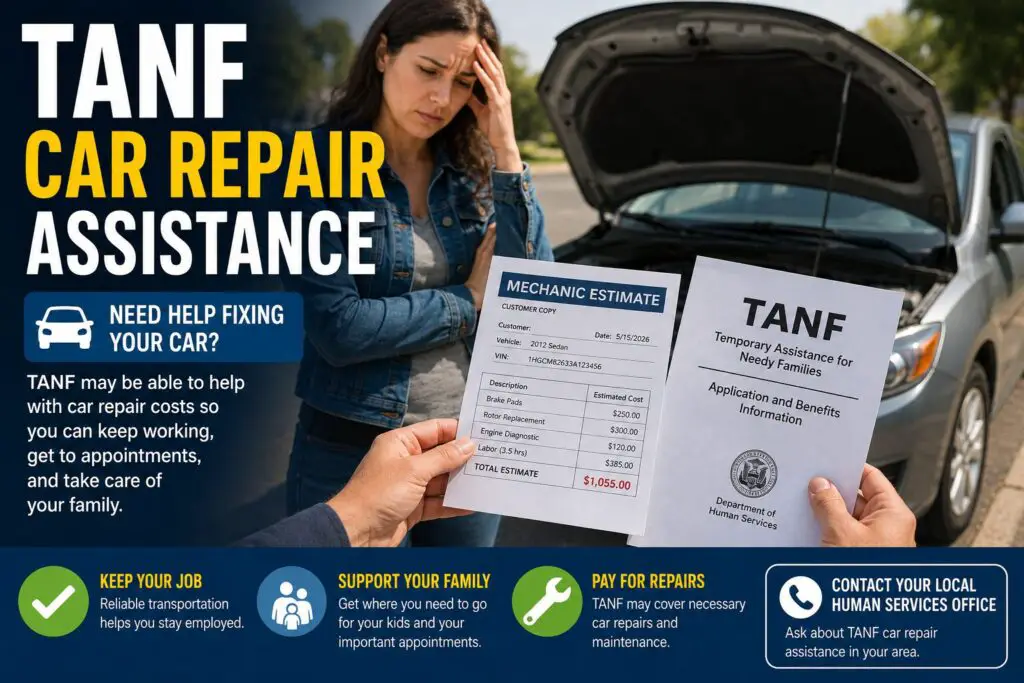
3. Repair help for a car you already own
If you already have a car but it is unusable, repair assistance may be the fastest path back to work, child care, school, or court appointments.
4. Donated vehicles
These do exist in some communities, but they are usually limited, local, and often have waitlists. Survivors are more likely to hear about them through local advocates than through one national application.
When Repair Help Is the Better Answer
Many people search this topic assuming they need a whole replacement vehicle. But sometimes the highest-intent answer is actually: fix the car you already have.
If you already own a vehicle, gather:
- a repair estimate
- registration
- insurance paperwork if available
- a short explanation of why transportation matters right now
Then use this page next: auto repair grants and assistance.
Documents to Gather, Only If It Is Safe
You do not need to risk your safety to build a perfect document packet. But if it is safe to collect documents, these may help:
| Document | Why it may matter |
|---|---|
| Photo ID | Often needed for shelter intake, referrals, or aid programs |
| Proof of address | Some local programs are county- or city-specific |
| Proof of income or benefits | Some emergency or hardship programs use income limits |
| Driver’s license | Helpful if vehicle-related help is possible |
| Vehicle registration and repair estimate | Useful if repair help is the realistic path |
| Court date, work schedule, school, or child care proof | Shows why transportation is urgent |
A Simple Script You Can Use
Hello, I need safe transportation help because domestic violence is affecting my housing, work, court, child care, or medical needs. I want to know whether there are local options for emergency rides, gas cards, bus passes, repair help, victim services, or donated vehicles. What should I try first in my area?
Digital Safety and Privacy Tips
The NNEDV Safety Net Project explains that technology can be misused by abusive partners. If that is a concern, take extra care when searching for help.
- Use a safer device if possible
- Clear browser history only if that is safe for you
- Use quick-exit features on survivor-resource websites
- Avoid saving hotline contacts under obvious names if that increases risk
- If you are being monitored, consider getting help through a trusted advocate, library, workplace, court office, or friend when safe
What to Do If No One Offers a Free Car
This is unfortunately common. If there is no direct vehicle-donation option, your next-best path is often:
- Ask for transportation help, not just a free car.
- Ask whether repair help is available if you already have a vehicle.
- Ask about gas cards, bus passes, ride-share help, or volunteer-driver programs.
- Ask local advocates whether they know of churches, community groups, or nonprofits with small transportation funds.
- Use broader victim-service channels like VictimConnect and local 211.
This approach often gets survivors to a workable transportation solution faster.
Related Pages on Consumer Auto
- Auto repair grants and assistance
- Government car voucher programs hub
- DHS car voucher guide
- Car assistance programs for low-income families
Frequently Asked Questions
Is there a real nationwide free car program for domestic violence survivors?
Usually no. Help is usually local and more often comes through transportation assistance, repair help, shelter support, victim services, and community referrals rather than one national free-car application.
What is the best first step?
If it is safe, start with the National Domestic Violence Hotline. After that, 211 and VictimConnect can help you find local transportation-related resources.
Can I get help even if I do not need a whole car?
Yes. In many places, gas cards, bus passes, ride help, court transportation, or repair assistance are more realistic and faster than a donated vehicle.
What if using my phone or computer is not safe?
Prioritize your safety. Use a safer device if possible, or ask a trusted advocate, victim-service office, court advocate, shelter, or community agency to help you connect to resources.
Can victim-service agencies help with transportation even if they do not give cars?
Yes. Many agencies can still help with referrals, safety planning, emergency rides, transportation funding, or connections to local programs that are easier to access than a vehicle-donation program.
Bottom Line
The best answer to the free car for domestic violence victims search is usually not one national giveaway. It is a safer, more practical path: start with the National Domestic Violence Hotline, then use 211, VictimConnect, and local advocates to find transportation help, repair assistance, shelter-related travel, or donated-vehicle leads in your area. That approach is more realistic, more confidential, and more likely to help right now.