Last updated: November 14, 2026
Quick answer
Black Friday (November 27, 2026) can be a fine day to shop for a car, but it is not automatically a good day to sign for one, especially with low income or bad credit. Advertised offers often come with conditions, and rushed deals are where dealer traps happen. Get your own loan quote first, say no to add-ons you do not want, never drive off before the financing is final, and if you are applying for state car help, wait for approval before you buy.
Consumer Auto is an independent research site. We are not a government agency, a dealer or a lender, and this guide is general information, not legal or financial advice.
Many readers ask us the same thing before the holiday weekend: are Black Friday car deals worth it if my income is low or my credit is bad? The honest answer is “sometimes, but only if you protect yourself.” This guide explains what to do before you visit a dealer, which dealer tactics to watch for, and how Black Friday car shopping fits with car voucher and assistance programs.
Is Black Friday a Good Time to Buy a Car With Bad Credit?
There is no guarantee. Dealers and manufacturers do advertise special offers around the holiday, but we cannot promise that prices will be lower than on any other weekend, and we do not list specific deals here because they change by dealer and region. What matters more than the date:
- The total cost, not the sale banner. The price of the car, the interest rate (APR), the loan length and any add-ons together decide what you really pay.
- The fine print on advertised offers. Special rates and cash-back offers often depend on your credit approval. Ask exactly which credit level the advertised offer needs.
- Pressure. “This price is only good today” is a sales line. A good deal on a car you can afford will still be a good deal after you read the contract.
If you are not ready by November 27, waiting costs you very little. A rushed contract can cost you for years.
Before You Visit a Dealer: A 6-Step Plan
- Set a budget that includes more than the payment. Add insurance, fuel, registration and a repair cushion. A payment you can barely make leaves nothing for a flat tire or a dead battery.
- Get preapproved by a bank or credit union first. The CFPB says you do not have to use the dealer for your loan, that dealer-arranged loans generally carry higher rates because the dealer adds to the lender’s quote, and that going to a bank or credit union tends to be the cheaper route. A preapproval shows you an interest rate, loan length and maximum amount, so you can compare it with whatever the dealer offers. Even with weak credit, the CFPB suggests checking with a bank or credit union before accepting a worse offer.
- Shop for the loan in a short window. The CFPB says auto-loan credit checks made within a short period (it cites 14 to 45 days) are generally treated as a single inquiry, so comparing lenders has limited impact on your credit.
- Check whether you qualify for car help first. If you receive TANF or other benefits, a state or county program may help with repairs, transportation or a vehicle. These programs usually need approval before you buy (more below).
- Decide your walk-away terms. Write down the highest total price, APR and monthly payment you will accept. Bring a friend if you can.
- Pick two or three cars, then check each one. Look up open safety recalls by VIN at NHTSA.gov/recalls and get a vehicle history report.
Where to Get the Loan: Dealer, Bank or “Buy Here, Pay Here”
The CFPB describes three common routes:
- Bank or credit union: usually the lowest cost because there is no dealer markup. Preapproval gives you a number to bargain with.
- Dealer-arranged financing: convenient, but the dealer collects your information, sends it to lenders and presents one offer. You can ask whether other lenders offered lower rates or better terms.
- “Buy Here, Pay Here” or “no credit check” dealers: they finance the loan themselves for people with no or poor credit. The CFPB says their interest rates tend to be higher, and that some only report late payments to the credit bureaus, not on-time ones, so the loan may not help rebuild credit. If you use one, ask for it in writing that on-time payments will be reported, and ask whether the car has a tracking or starter-interrupt device.
Whichever route you choose, the lender must give you written Truth in Lending disclosures before you are bound to the loan: the APR, finance charge, amount financed, total of payments and total sale price. Compare the total of payments between offers, not just the monthly amount. For more on loan options, see our guides on car loans for low-income earners with bad credit and used car dealerships with no credit check.
Dealer Traps to Watch For on Black Friday
1. “Yo-yo” financing (spot delivery)
Some dealers let you take the car home before the loan is final. The CFPB warns that a clause in many contracts lets the dealer renegotiate later, and some buyers get a call saying the financing “fell through” and that only a higher rate, longer term or bigger down payment will work. That is called yo-yo financing.
- Do not leave until the interest rate and terms match what you agreed to, every blank is filled in, both you and the dealer have signed, and you have a copy of everything.
- If the dealer calls you back, the CFPB says you are not required to agree to different financing and can walk away, and the dealer should refund your down payment. Do not sign new paperwork over the phone, ask for the changes in writing and keep every document and message.
- In some cases you may have a right to keep the car on the original terms. A legal aid office or volunteer attorney program can tell you where you stand.
2. Add-ons presented as “required”
The CFPB says extended warranties, GAP insurance and credit insurance are generally optional, and you cannot normally be required to buy them to get a loan. Prices of add-ons are negotiable, and if you take one you can generally cancel it later. If a dealer says an add-on is required, ask to be shown where the sales contract says so. Add-ons raise both your monthly payment and the total you borrow, so review the contract line by line for products you did not ask for.
3. A payment-only conversation
If every answer is about the monthly payment, you can end up with a longer loan and a higher total cost. Ask for the trade-in value, interest rate, loan term and estimated payment in writing early. The CFPB also lists dealer fees (preparation, documentation, delivery and “market adjustments”) among things you may be able to negotiate.
4. Buying “as is” without an inspection
The FTC’s Used Car Rule requires dealers to post a Buyers Guide on used cars that says whether the car is sold “as is” or with a warranty. The FTC recommends having an independent mechanic inspect any used car before you buy, and says that if a dealer will not allow it, you may want to do business elsewhere. Some states limit “as is” sales, so check your state attorney general’s website.
5. Expecting a return window
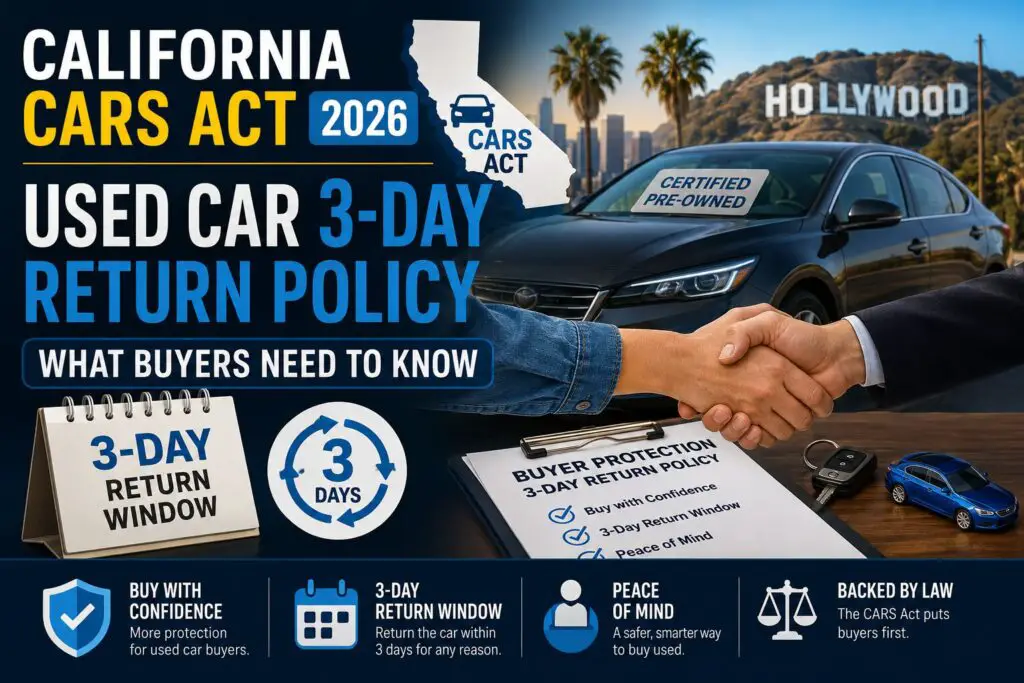
The FTC says dealers are not required by federal law to give used-car buyers a three-day right to cancel. Any return policy exists only if the dealer offers it or your state requires it. Ask, get it in writing and read it. After you sign, assume the deal is final.
A note on the “CARS Rule”: you may see online posts saying a federal rule protects you from dealer add-on tricks. The FTC’s “Combating Auto Retail Scams” (CARS) Rule was struck down by a federal appeals court in January 2025 and formally withdrawn by the FTC in 2026, so do not count on it. The CFPB and FTC guidance above still applies.
How Black Friday Car Shopping Fits With Car Voucher Programs
There is no national “car voucher” that works like a Black Friday coupon. Most programs are run by states or counties, many are tied to TANF or other benefit programs, and they have their own rules and approval steps. A few examples from our state guides:
- Pennsylvania: the state lists a special allowance of up to $1,500 for one vehicle in a lifetime for TANF participants, and it needs approval before you buy. Read our Pennsylvania welfare car voucher guide.
- Ohio: help usually comes through each county’s PRC (Prevention, Retention and Contingency) plan, and plans differ by county. See our Ohio car voucher guide.
- Michigan: the state’s policy for eligible families lists vehicle purchase and repair help with limits and rules. See our Michigan DHS car voucher guide.
- California: repair and replacement programs have separate rules. See our California car voucher guide.
- Other states: our DHS car voucher guide explains how to ask your state benefits office about transportation help.
The key rule: ask first, buy second. If help requires approval before purchase, a Black Friday purchase made before approval may not be covered. Do not let a one-day sale push you past that step. You can also call 211 to ask about local vehicle, repair and transportation help in your area; what is available varies by community.
Black Friday Car Buying Checklist
- Preapproval from a bank or credit union in hand.
- Budget includes insurance, fuel, registration and repairs.
- Asked in writing for the out-the-door price (price, taxes, fees) and the APR, loan term and total of payments.
- Said “no, thank you” to add-ons you do not want and checked the contract for them.
- For a used car: read the Buyers Guide, got a vehicle history report, checked recalls and arranged an independent inspection.
- Confirmed the financing is final before driving away, and got copies of every signed page.
- If applying for state or county car help: confirmed whether approval is needed before the purchase.
Frequently Asked Questions
Do car prices go down on Black Friday?
We cannot promise they do. Some dealers advertise holiday offers, but the right comparison is the total cost of the exact car and loan versus other dealers and other days. Ask for the out-the-door price in writing and compare.
Can I buy a car on Black Friday with bad credit?
You may be able to. Approval, interest rate and loan terms depend on the lender, your income and your down payment, and we cannot predict them for you. The CFPB suggests checking with a bank or credit union first, because “buy here, pay here” dealers generally charge higher interest.
Is there a cooling-off period if I change my mind after buying?
Not under federal law for used cars bought from a dealer, according to the FTC. A return right exists only if the dealer or your state provides one, so ask before you sign.
Do I have to buy GAP insurance or an extended warranty?
Generally no. The CFPB says these are optional, and if a dealer says otherwise, ask to see where the contract requires it.
What if the dealer calls me after I drove home and says the financing fell through?
Do not sign anything over the phone. Ask for the reason and the new terms in writing. The CFPB says you do not have to accept different financing, and the dealer should refund your down payment if you walk away. Consider contacting a legal aid office.
Where can I report a dealer or lender problem?
The CFPB says to try the company first, keep records, and then file a complaint with the CFPB for issues with a lender or a “buy here, pay here” dealer, or with the FTC for issues with a dealership. You can also contact your state consumer protection office or attorney general. The FTC takes reports at ReportFraud.ftc.gov.
Can car vouchers be used at a dealer on Black Friday?
It depends on the program. Most state programs are not coupons: they involve a caseworker, approval and sometimes payments made to a seller. Check your program’s rules before you shop.
Bottom Line
Treat Black Friday as a shopping window, not a deadline. Get your own financing quote, keep add-ons optional, make sure the loan is final before you drive away and get any state car help approved first. If a deal only works today, it is probably not a deal.
Sources
- CFPB: Can the dealer increase the interest rate after I drive the vehicle home?
- CFPB: What are the different ways to buy or finance a car or vehicle?
- CFPB: What is a “no credit check” or “buy here, pay here” auto loan or dealership?
- CFPB: Am I required to purchase an extended warranty, GAP insurance or credit insurance?
- CFPB: What things can I negotiate when shopping for a car or auto loan?
- FTC: Buying a Used Car (Used Car Rule, Buyers Guide, “as is” sales, right to cancel, independent inspection)
- Federal Register: Withdrawal of the CARS Rule (February 12, 2026)
- NHTSA: Check for recalls