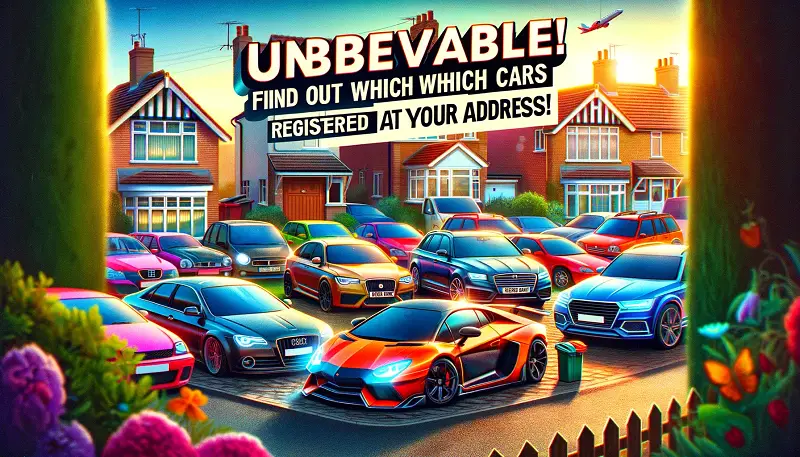
Short answer: if a vehicle is showing up at your address and it is not yours, the usual explanation is one of these: the previous owner never updated their DMV record, someone in your household is using the address, there was a clerical error, or your address is being used without permission. The right fix is to save the evidence, identify which situation fits, contact the right agency, and act quickly if fraud is possible.
If you are in a rush, use this rule: old tenant or family issue = DMV cleanup. Unknown person, tolls, tickets, or suspicious mail = possible identity misuse or address fraud.
Start Here: Which Situation Fits You?
| Situation | Most likely cause | Best first step |
|---|---|---|
| You know the person | They never updated their registration address | Ask them to update the DMV address immediately. |
| It belongs to a former tenant or previous owner | Old DMV record still tied to your address | Keep the mail, contact your state DMV, and explain the vehicle is no longer connected to your household. |
| You do not know the person and got tolls, tickets, or official notices | Possible address misuse, identity misuse, or registration error | Document everything, report the issue to the DMV, and review identity-theft steps. |
| You got scam texts or fake DMV payment messages | Phishing or smishing scam | Do not click. Go directly to the official DMV site and report the scam. |
Step 1: Save Proof Before You Call Anyone
Do not throw away the first piece of mail. It may contain the plate number, case number, vehicle ID details, toll reference, or owner name you need later.
- Keep every envelope, notice, toll letter, parking ticket, or DMV mailing.
- Photograph the mail and note the date it arrived.
- Write down the plate number, VIN, case number, and agency name if shown.
- If a vehicle is physically parked on your property without permission, document that separately.
This matters because agencies often ask for exact identifying details before they can investigate or remove an address association.
Step 2: Decide Whether This Looks Like a Simple Address Error or Something More Serious
Many cases are boring, not criminal. A person moves and forgets to update their registration. A family member uses your address. A clerical error slips into a DMV record.
But you should treat the situation as more serious if:
- you do not know the owner at all
- multiple vehicles are showing up
- you receive tolls, tickets, collections, or insurance-related mail
- you see signs that someone may be using your address to open accounts or avoid traceability
If it starts to look broader than one DMV mistake, move into fraud-protection mode instead of assuming it will resolve itself.
Step 3: Contact Your State DMV or Vehicle Agency
Your DMV is usually the main place to start because vehicle registration records are state-managed. Explain clearly that the vehicle does not belong to you or your household and ask how to remove or flag the address issue.
- If it is a past resident, say that directly.
- If it is an unknown person, say you are concerned about unauthorized use of your address.
- If you moved recently, check whether your own address update went through correctly.
Examples of official address-update systems and DMV guidance include:
Even if your own state does not have the same workflow, those examples show the kind of official DMV path you should look for: direct address maintenance, not third-party tools.
Step 4: If Fraud or Identity Theft Seems Possible, Act Fast
If an unknown person is using your address and the situation looks suspicious, do not stop at the DMV. The Federal Trade Commission says identity-theft victims should report it and get a recovery plan through IdentityTheft.gov.
FTC consumer guidance also recommends moving quickly to limit damage. Depending on what you find, that can include:
- reporting identity theft through IdentityTheft.gov
- reviewing your credit reports
- placing a fraud alert or credit freeze if personal data may have been used
- contacting businesses or agencies tied to the suspicious records
Useful official FTC pages:
Step 5: Watch for Tickets, Tolls, and Fake Payment Messages
One of the biggest practical problems is not the registration record itself. It is the chain of problems that can follow: toll notices, parking citations, collection letters, or scam payment texts.
- If you receive a real toll or parking notice, contact that agency directly and explain the vehicle is not yours.
- Ask what proof they need to disassociate your address from the record.
- Keep a log with dates, names, phone numbers, and case numbers.
Also watch for fake DMV texts and payment scams. California DMV says the DMV will not text you asking for payment or sensitive personal information, and it warns users not to click those links.
What to Keep Ready
- Photo ID
- Proof of your current address, such as a lease or utility bill
- Copies of the registration notice, ticket, or toll letter
- Any envelope showing the mailing address and date
- Identity-theft report or fraud documentation if you filed one
- Your contact log of every call or email you made
A Simple Script You Can Use
Hello, I am contacting you because a vehicle that does not belong to me appears to be using my address. I need to know how to report the incorrect registration address, what documents you need from me, and how to stop future notices or enforcement letters from coming to my address.
Common Mistakes to Avoid
- Do not ignore the first notice and assume it will stop on its own.
- Do not use unofficial DMV-service ads or random third-party websites.
- Do not throw away envelopes or reference numbers.
- Do not click toll or DMV payment links sent by text unless you independently verify the source.
- Do not assume it is only a mail issue if other signs of identity misuse appear.
Best Related Guides on Consumer Auto
FAQ
Why would a car be registered to my address if I never owned it?
The most common reasons are a previous resident who never updated the DMV, a household member using the address, a clerical error, or unauthorized use of your address.
Can I remove someone else’s vehicle from my address myself?
Usually you cannot edit another person’s registration directly, but you can report the problem, provide proof, and ask the DMV or issuing agency to correct the record.
Should I worry about identity theft?
If the person is unknown and the situation includes suspicious mail, tolls, tickets, or other account activity, yes, you should review identity-theft steps right away.
Do I need a police report?
Not always. Many cases start with DMV correction and FTC reporting. But if the agency asks for a police report, or the misuse looks clearly fraudulent, that may become part of the documentation trail.
What is the first thing I should do today?
Keep the evidence, identify whether it looks like an old-address problem or a fraud problem, and make one direct contact to your state DMV using the official website.
Bottom Line
If you are asking why cars are registered to my address, the answer is usually not mystery. It is usually an old DMV address, an administrative error, or unauthorized use of the address. The best response is practical: save proof, contact the DMV, escalate to identity-theft steps if the owner is unknown, and keep records of every notice and every call. That is the fastest path to stopping the problem before it grows into tickets, tolls, or fraud headaches.